Smarter Invoice Debt Collection - How AI Is Changing the Game
How AI-powered collections help finance teams reduce DSO, predict late payments, and recover revenue

Late payments are one of the biggest hidden costs in B2B finance. They drain cash flow, slow growth, and force finance teams to spend valuable time chasing invoices instead of focusing on strategy. Traditional debt collection methods - manual follow-ups, rigid workflows, and generic reminders - are no longer enough.
AI-powered invoice debt collection is transforming how companies recover revenue, reduce risk, and improve customer relationships.
The Problem With Traditional Debt Collection
Most finance teams face the same challenges:
• Manual follow-ups that depend on spreadsheets and inbox reminders
• One-size-fits-all dunning processes that ignore customer behavior
• Limited visibility into which invoices are actually at risk
• Strained customer relationships due to aggressive or poorly timed outreach
As businesses scale, these issues compound. More customers, more invoices, more currencies, and more payment methods make manual processes unsustainable.
How AI Improves Invoice Debt Collection
AI models analyze historical payment data, customer behavior, invoice attributes, and external signals to predict which invoices are likely to be paid late - before they become overdue.
This allows finance teams to:
• Focus effort on high-risk invoices
• Adjust terms proactively
• Reduce bad debt and DSO
Smart Dunning and Communication
Instead of sending the same reminder to every customer, AI adapts outreach based on behavior and context.
Examples include:
• Adjusting tone and frequency based on payment history
• Choosing the best channel - email, portal notification, or SMS
• Timing reminders to when customers are most likely to respond
Result: Higher response rates and fewer escalations.
Automated Dispute Detection
AI can flag potential disputes early by analyzing invoice data, contract terms, and customer communications.
This helps teams:
• Resolve issues before payments are delayed
• Reduce back-and-forth with customers
• Shorten collection cycles
Cross-Border and Multi-Currency Optimization
For global businesses, AI adds even more value by:
• Recommending optimal payment methods per region
• Predicting delays due to FX, banking routes, or local regulations
• Identifying country-specific risk patterns
This is especially powerful for companies managing cross-border receivables at scale.
Better Collections Without Damaging Relationships
One of the biggest misconceptions about debt collection is that it must be aggressive. AI enables a more customer-centric approach by balancing firmness with empathy.
By understanding customer behavior and intent, AI-driven collections:
• Reduce unnecessary friction
• Preserve long-term relationships
• Improve customer lifetime value
Finance teams can collect faster while still being easy to do business with.
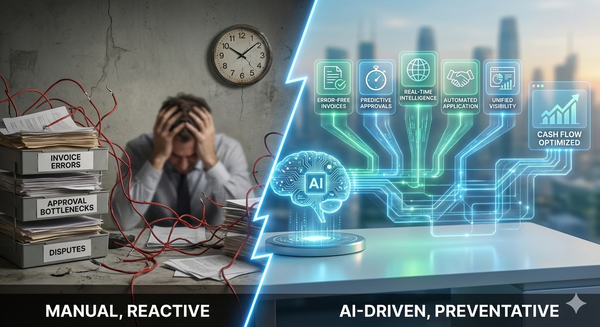
The Future of Collections Is Proactive, Not Reactive
AI shifts invoice debt collection from a reactive process to a proactive one. Instead of chasing overdue invoices, finance teams can prevent late payments from happening in the first place.
Key benefits include:
• Lower DSO
• Improved cash flow predictability
• Reduced operational costs
• Stronger customer relationships
Final Thoughts
Invoice debt collection does not have to be manual, stressful, or relationship-damaging. With AI-powered tools, finance teams gain visibility, control, and efficiency across the entire receivables lifecycle.
As AI continues to evolve, the most successful finance organizations will be those that adopt intelligent, data-driven collection strategies - turning receivables into a competitive advantage rather than a bottleneck.
Ready to explore how AI can transform your collections process? Discover intelligent tools that predict payment risk, automate outreach, and recover revenue faster - all while preserving the customer relationships that drive long-term growth.