B2B BNPL: Why Trade Credit Is Getting a Fintech Makeover
Buy Now, Pay Later spent the last decade being a consumer story - Klarna, Affirm, Afterpay, letting shoppers split a mattress purchase into four payments. If you're in B2B finance, it was easy to dismiss as irrelevant to your world, where trade credit has existed in some form for centuries and net-30 terms are just... how business works.
That dismissal is starting to look premature. A wave of fintech companies is applying the BNPL model - point-of-sale financing, instant underwriting, embedded checkout experience - directly to B2B transactions, and the trade credit market is starting to feel the effects, often faster than finance leaders have registered. This isn't consumer BNPL with a bigger invoice. It's a genuinely different way of extending and managing trade credit, and it has real implications whether you're the one offering payment terms or the one receiving them.
What B2B BNPL Actually Is
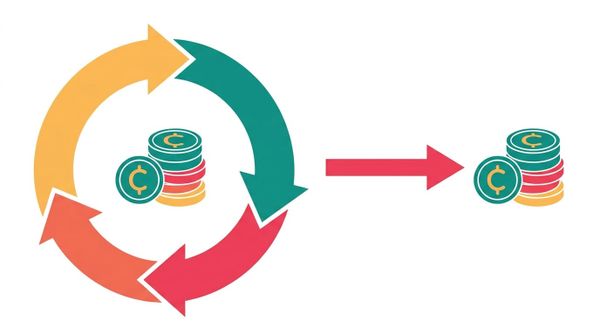
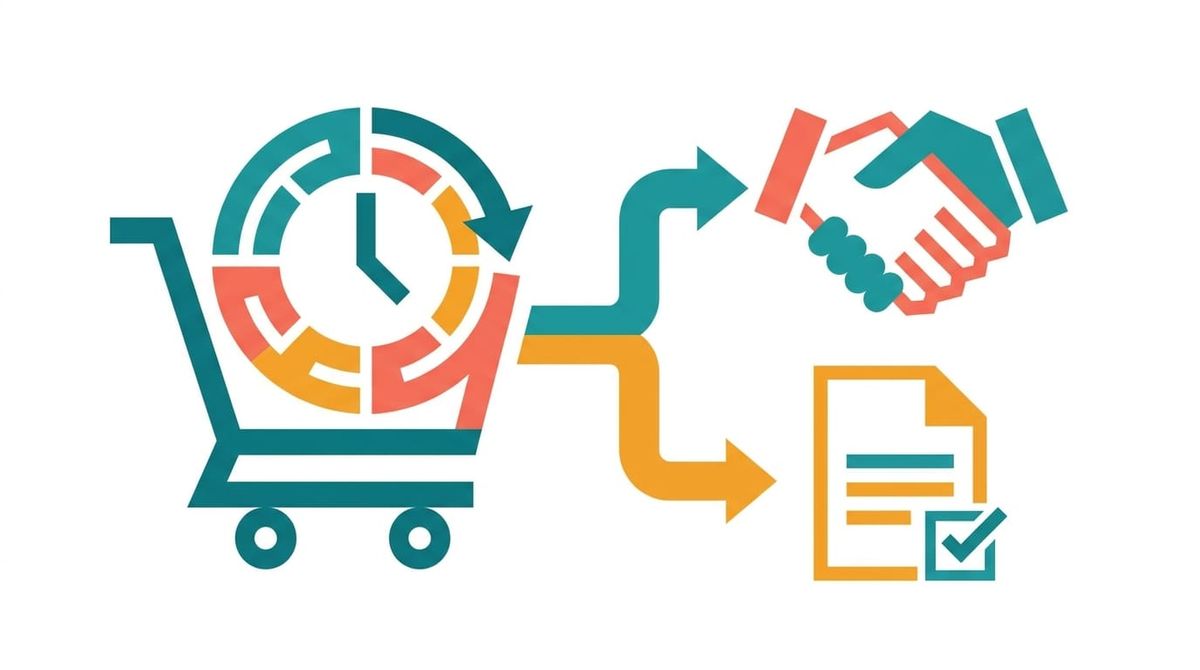
At its core, B2B BNPL does for wholesale and distribution transactions what consumer BNPL did for retail: it separates the seller's need to get paid immediately from the buyer's need for payment flexibility, by inserting a third-party financer at the point of transaction.
A buyer purchasing inventory from a supplier through a B2B marketplace or direct sales channel gets offered flexible payment terms - net-30, net-60, or installment structures - at checkout. The BNPL provider pays the supplier immediately (often within 24-48 hours), takes on the credit risk and collection responsibility, and collects from the buyer according to the agreed terms, typically charging the buyer a fee or building a margin into the financing spread.
The mechanics aren't new - this is functionally similar to invoice factoring or trade credit insurance that's existed for decades. What's different is the delivery: instant underwriting decisions (often in seconds, using transaction data and alternative credit signals rather than a multi-week credit application), embedding directly into the checkout or ordering flow rather than requiring a separate application process, and dramatically lower minimum transaction sizes that make it viable for smaller B2B purchases that traditional trade finance never bothered serving.
Why This Is Happening Now
A few forces are converging to make B2B BNPL viable at scale in a way it wasn't five years ago.
B2B e-commerce has matured enough to have a checkout moment. BNPL requires a discrete transaction point to embed into. As more B2B purchasing moves onto digital marketplaces and self-service ordering platforms - rather than phone calls, purchase orders, and manual invoicing - there's an actual checkout flow to insert financing into, the same way consumer BNPL needed e-commerce to exist first.
Underwriting data has gotten dramatically better. Traditional trade credit underwriting relied on financial statements, credit bureau reports, and trade references - slow to gather, quickly outdated, and often unavailable for smaller businesses. B2B BNPL underwriters use transaction history, bank account data, accounting software integrations, and behavioral signals to make real-time decisions with (they claim, and early data suggests, reasonably) comparable accuracy to traditional methods, at a fraction of the time cost.
SMBs are underserved by traditional trade credit and bank financing. A huge portion of small and mid-sized B2B buyers either don't qualify for traditional trade credit terms, or the process of establishing them is too slow and too manual relative to deal size. This is precisely the gap consumer BNPL exploited relative to credit cards - serving a segment underserved by (or unwilling to use) the existing financial product - and it's playing out again in B2B.
Suppliers want the DSO benefit without the credit risk. This is the pitch that actually moves supplier adoption: get paid immediately like a cash sale, offer your buyers the flexible terms they want to close the deal, and push the credit risk and collections work to a specialized third party. For a supplier trying to reduce DSO while remaining commercially competitive, that's an attractive trade.
How This Differs From - and Overlaps With - Existing Trade Finance Tools
If you've been in B2B finance for a while, you might reasonably ask: isn't this just invoice factoring with a modern UI? There's real overlap, but a few meaningful differences.
Speed and integration. Factoring typically involves a relationship with a factor, a facility agreement, and an ongoing process of submitting invoices for advance. B2B BNPL is designed to be transaction-level and embedded - a checkout decision, not a financing relationship you set up in advance.
Buyer-facing vs. seller-facing framing. Trade credit insurance and factoring are primarily seller-side tools - protecting or accelerating the seller's cash position. B2B BNPL is marketed and experienced from the buyer's side as much as the seller's - it's positioned as a purchasing convenience ("get the terms you need to close this order") rather than a back-office financing arrangement the buyer barely notices exists.
Underwriting speed and threshold. Factoring and trade credit insurance still generally require a meaningful relationship, minimum volume, or facility size to be worth setting up. B2B BNPL providers are explicitly targeting the long tail - smaller transactions and smaller buyers - that traditional trade finance has never economically served, because instant, automated underwriting makes the unit economics work at a scale traditional processes couldn't.
Who bears the cost. In most B2B BNPL structures, the fee is split or borne by the buyer (similar to consumer BNPL's merchant discount rate model, but adapted), whereas traditional trade credit insurance is a cost the seller absorbs as a risk management expense. This shifts the commercial framing meaningfully - buyers are choosing to pay for flexibility, rather than sellers unilaterally deciding to insure a risk.
What This Means If You're a Seller Extending Trade Credit
If you're a B2B seller currently managing your own trade credit program - net terms, in-house credit approval, your own collections - B2B BNPL partners are worth evaluating as a parallel channel, not necessarily a wholesale replacement. The practical questions to work through:
Does it cannibalize your existing credit relationships or expand your addressable market? For buyers who already qualify for your standard net terms, adding a BNPL option might just shift margin to a third party for no real benefit. For buyers who don't qualify today - too small, too new, insufficient credit history - a BNPL partner might let you say yes to orders you'd otherwise decline or demand prepayment on, expanding revenue you wouldn't otherwise capture.
What's the actual cost versus your cost of capital and bad debt? BNPL providers charge for the service, typically as a percentage of transaction value that's meaningfully higher than the cost of your own working capital if you have healthy liquidity. Run the math against your actual historical bad debt rate on comparable accounts, not against a hypothetical worst case - for many sellers, self-insuring via a well-run in-house credit function is still cheaper than outsourcing to BNPL, especially on larger accounts with established payment history.
Does it affect the buyer relationship? Inserting a third-party financer into the transaction changes who the buyer is actually dealing with when there's a payment issue, a dispute, or a need for flexibility beyond the standard terms. Make sure the partner's buyer experience reflects well on you - a heavy-handed BNPL collections process on your brand's transactions can damage the relationship as much as an aggressive in-house approach would.
What This Means If You're a Buyer
On the buy side, B2B BNPL offers genuine value for businesses that have historically struggled to get workable trade credit terms - faster approval, more flexible structures, and access to financing that doesn't show up as traditional debt on a balance sheet in the same way a bank facility would (though the accounting and disclosure treatment varies and is worth checking with your accountant, particularly as standards catch up to the category).
The risk on the buyer side is the same risk that shows up in consumer BNPL: it's easy to stack multiple BNPL-style obligations across different suppliers without a clear aggregate view of total short-term financing commitments, the way a single revolving credit facility would give you. Buyers using multiple B2B BNPL relationships should track the aggregate obligation actively, not just each individual supplier relationship in isolation.
Where the Regulatory Picture Is Still Forming
Consumer BNPL attracted significant regulatory attention as it scaled - concerns about debt stacking, inadequate disclosure, and credit reporting gaps. B2B BNPL has, so far, operated with substantially less regulatory scrutiny, partly because B2B transactions are presumed to involve more sophisticated counterparties and partly because the category is younger and smaller. That's likely to change as volume grows. Finance leaders adopting B2B BNPL, on either side of the transaction, should expect the compliance and disclosure landscape to tighten over the next several years, and build relationships with providers who are already operating as if that scrutiny is coming rather than waiting for it to arrive.
The Bottom Line
B2B BNPL isn't replacing trade credit insurance, factoring, or traditional net terms wholesale - it's adding a faster, more embedded, more buyer-accessible option to a trade credit toolkit that's historically been slow, relationship-dependent, and poorly suited to smaller transactions and newer buyers. For sellers, it's a legitimate tool for expanding addressable market and reducing DSO on the margin, provided you do the cost math honestly rather than assuming it's a free upgrade. For buyers, it's a genuine improvement in access to flexible financing, with the same discipline required that any short-term financing obligation demands.
The fintech makeover happening to trade credit right now isn't cosmetic. It's changing who bears credit risk, how fast financing decisions get made, and which businesses can access flexible payment terms at all. Whether that's good or bad for your specific position depends entirely on which side of the transaction you're on - and whether you're running the numbers or just following the trend.
Have you evaluated a B2B BNPL provider, either as a seller looking to offer it or a buyer looking to use it? What did the actual cost and underwriting experience look like compared to your existing trade credit or factoring relationships?