Your Tariff Strategy Is Missing the Biggest Risk: Cash Flow
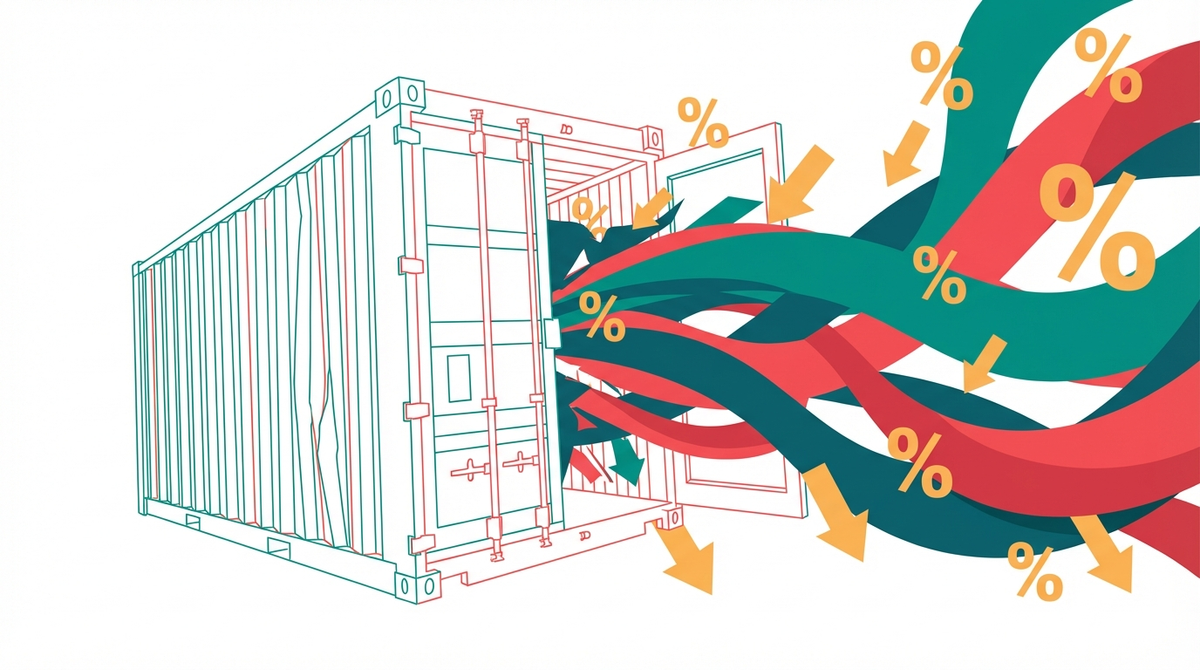
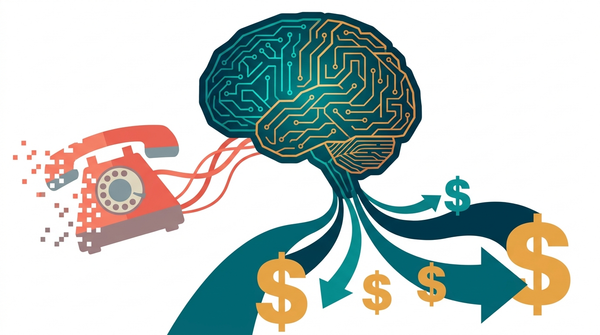
Everyone's talking about tariffs. What they're not talking about is what happens to your cash flow after the tariff hits.
The Visible vs. Invisible Impact
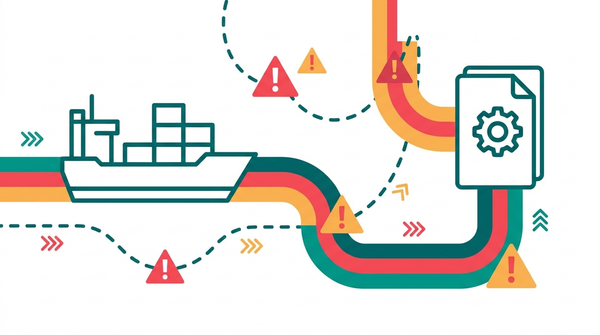
When a new tariff drops, the immediate reaction is predictable: renegotiate pricing, find alternative suppliers, absorb or pass through costs. That's the visible impact — and most companies handle it reasonably well.
The invisible impact is what kills you.
Here's what actually happens in the 60-90 days after a tariff change:
- Buyers delay payments. They're dealing with their own margin squeeze. Your 30-day terms quietly become 45, then 60.
- Disputes spike. New pricing creates confusion. Invoices get challenged. Each dispute is a 15-30 day collection delay.
- Credit risk shifts overnight. A buyer who was rock-solid at pre-tariff prices might be stretched thin at new prices. Their creditworthiness changed — but your credit terms didn't.
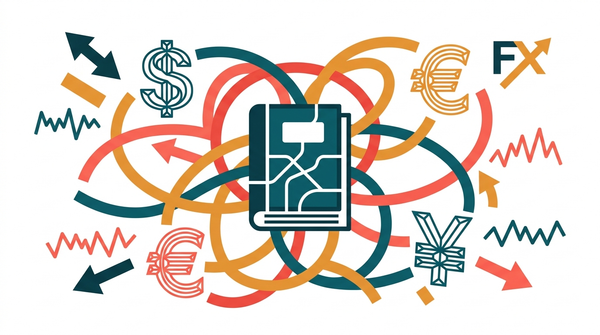
- FX volatility compounds everything. Tariff announcements move currencies. If you're collecting in multiple currencies, your actual receivables value is a moving target.
The Math Nobody's Doing
Let's say you're a mid-size wholesaler doing $20M in annual revenue with 45-day DSO. A tariff-driven 15-day increase in DSO means approximately $820,000 in additional working capital tied up. For a business operating on 8-12% margins, that's not a rounding error — that's a potential liquidity crisis.
And it cascades. Slower collections mean tighter cash. Tighter cash means slower payments to your suppliers. Slower payments mean worse terms from suppliers. Worse terms mean higher costs. Higher costs mean thinner margins.
The tariff was 10%. The total impact might be 25%.
What the Smart Operators Are Doing
The companies navigating this well aren't just renegotiating pricing. They're:
1. Monitoring buyer health in real time, not quarterly.
Static credit checks are snapshots of the past. In a tariff environment, you need continuous monitoring. If your buyer's industry just got hit with a 25% tariff, their credit profile changed today — not whenever their next financial statements come out.
2. Automating collection workflows.
Manual follow-ups don't scale when payment behavior shifts across your entire buyer base simultaneously. AI-driven dunning that adapts to each buyer's behavior pattern can maintain collection velocity even when macro conditions deteriorate.
3. Offering dynamic payment options.
Counter-intuitive, but offering early payment discounts during tariff uncertainty can actually improve cash flow. A 2% discount for 10-day payment on a disputed invoice that would otherwise take 75 days to collect is excellent economics.
4. Diversifying payment methods and currencies.
If you're only accepting wire transfers in USD, you're adding friction for international buyers who are already stressed. Multi-currency, multi-method acceptance reduces the "I'll pay you when it's convenient" problem.
The Bottom Line
Tariff strategy isn't just a procurement problem. It's a customer-to-cash problem. The companies that figure this out will come out of this cycle with stronger buyer relationships, faster cash conversion, and better competitive position.
The ones that don't will discover that the tariff itself was the smallest part of their problem.
What's your experience been with payment behavior changes during tariff shifts? Drop a comment or connect — I'd love to hear what you're seeing on the ground.